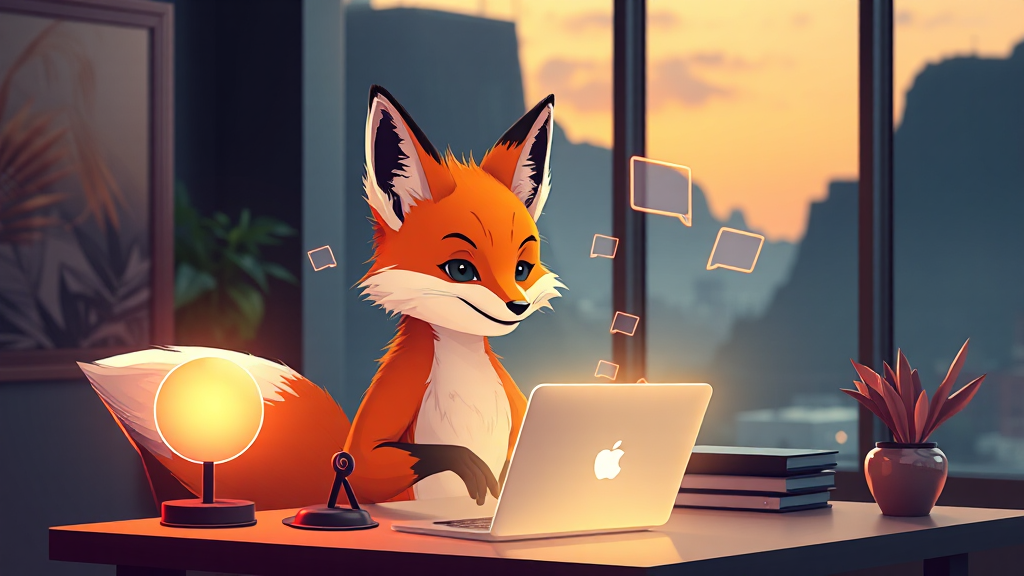
Furry AI Characters: How Digital Companions Are Reshaping Online Storytelling
Online storytelling has always evolved alongside the tools people use to tell it. From text-based roleplay forums in the 1990s to modern chat platforms powered by large language models, the desire to build characters and inhabit their worlds has never faded. What has changed is how convincingly those characters can respond. Today, furry AI characters sit at the center of this shift, giving writers, roleplayers and curious newcomers a way to interact with anthropomorphic personalities that remember context, hold a tone and react in ways that feel surprisingly human.
This article explores what furry AI characters actually are, why they have become so popular, how they differ from ordinary chatbots, and what to consider if you want to create or talk to one yourself. Whether you are a longtime member of the furry fandom or simply someone interested in interactive fiction, understanding this corner of AI culture will help you get more out of it.
What Exactly Are Furry AI Characters?
A furry AI character is a digital persona built around an anthropomorphic animal — a fox, wolf, dragon, cat, rabbit or any other creature given human-like speech, emotions and personality. Instead of a generic assistant that answers factual questions, a furry AI character is designed to stay in role, maintain a consistent backstory and respond in a voice that matches its species, temperament and setting.
Under the hood, most of these characters are powered by large language models that have been shaped through character prompts, personality instructions and conversation memory. The creator defines who the character is: name, species, age, occupation, quirks, speech patterns and relationships. The model then improvises within those boundaries, producing dialogue that feels improvised rather than scripted.
The result is something closer to interactive fiction than a search engine. You are not asking a tool for information; you are entering a scene and seeing how a character responds to you.
Why the Furry Fandom Embraced AI Characters So Quickly
The furry community has always been built on creativity. Art, writing, fursuits, conventions and collaborative worldbuilding are all central to the culture. So when AI tools became capable of sustaining believable conversation, it was almost inevitable that furries would adopt them faster than most other online groups.
There are several reasons for this enthusiasm:
Character depth without a writing partner. Many people have original characters they love but no one to roleplay with at any given moment. A furry AI character offers an always-available scene partner who can pick up a storyline instantly.
Safe exploration. For people who feel shy about their interests, chatting with a character removes the social pressure of a live audience. You can experiment with personalities, storylines and dialogue styles without judgment.
Customization. Furry identity is deeply personal. AI platforms let users define species, pronouns, personality traits and relationship dynamics, which mirrors how fursonas themselves are built.
Creative momentum. Writers often use these characters to brainstorm scenes, test dialogue or break through creative blocks before turning ideas into finished stories or art.
What started as a niche experiment has grown into a recognizable trend, with dedicated platforms and trend pages tracking which species and archetypes people gravitate toward.
How Furry AI Characters Differ From Standard Chatbots
It is easy to lump all AI chat experiences together, but furry AI characters operate under a different set of priorities. A standard assistant is optimized for accuracy, brevity and task completion. A furry AI character is optimized for immersion, consistency and emotional texture.
That difference shows up in several ways:
Memory and continuity. Good character platforms keep track of previous conversations, so a character remembers your name, your shared history and the tone of your last interaction. This continuity is what makes long-term storytelling possible.
Voice and personality. A well-built character has a distinct way of speaking. A grumpy badger might be terse and sarcastic; a cheerful otter might ramble enthusiastically. These stylistic choices matter more than raw information.
Emotional range. Character-driven AI is designed to express moods, react to conflict and show vulnerability. That emotional dimension is what separates a scene from a Q&A session.
Boundaries and safety. Responsible platforms include content guidelines and user controls so that interactions stay within agreed limits. Understanding those boundaries is part of using the technology well.
In short, a chatbot answers. A character responds.
Building a Character That Feels Alive
Creating a furry AI character is a craft. The best ones are not simply a species and a name; they have internal logic that makes their reactions feel earned. If you want to build one that holds up over many conversations, focus on a few core elements.
Start with motivation. What does your character want? A wandering healer, a cynical detective and a curious explorer will respond to the same situation in completely different ways. Motivation drives dialogue more than appearance does.
Define speech patterns. Decide how your character talks. Do they use slang, formal language, short sentences or long rambling ones? Do they have catchphrases or verbal tics? These details make the character recognizable even without a name tag.
Give them flaws. Perfect characters are boring. A fear, a bad habit or a conflicting loyalty creates friction, and friction creates story.
Build relationships. Characters become more interesting when they have history with others — rivals, mentors, siblings, old friends. Even if those relationships exist only in the backstory, they shape how the character treats you.
Iterate. No character is perfect on the first draft. Pay attention to what feels off during conversations and adjust the personality instructions accordingly. Over time, the character becomes sharper and more consistent.
Platforms that support detailed character profiles make this process much easier, because you can encode all of these traits and let the model handle the moment-to-moment improvisation.
The Creative and Social Value of Anthropomorphic AI
Beyond entertainment, furry AI characters offer real creative and social benefits. For writers, they function as a low-stakes rehearsal space — a way to test scenes, explore character voices and generate raw material that can later be refined into polished work.
For people who feel isolated, these characters can provide a gentle form of companionship and creative engagement. That is not a replacement for human relationships, but it can be a meaningful outlet for self-expression, especially for those who are shy, neurodivergent or geographically distant from like-minded communities.
There is also a cultural dimension. The furry fandom has always been about identity play — trying on different selves and seeing what fits. AI characters extend that tradition into a new medium, letting people explore aspects of their personality through an anthropomorphic lens.
As the technology improves, we can expect these characters to become more nuanced, more memory-aware and more capable of sustaining long-form narratives. The line between interactive fiction and conversation will continue to blur.
Practical Tips for Getting Started
If you are new to furry AI characters, a few practical habits will make your experience smoother and more rewarding.
Choose a platform with clear character tools. Look for features like personality fields, memory settings and content controls. These give you more influence over how the character behaves.
Write a short, vivid first message. Set the scene and give the character something to react to. A strong opening prompt produces a much stronger reply.
Stay consistent in your own role. If you want the character to remember details, keep your own details stable across sessions. Consistency from both sides builds a better story.
Adjust rather than abandon. If a character drifts off-tone, refine the instructions instead of starting over. Small tweaks often fix the problem.
Respect boundaries. Treat the experience as you would any creative collaboration. Clear, respectful interaction produces better results for everyone.
With a bit of patience, you can build a character that feels like a genuine presence in your creative life.
Frequently Asked Questions
What is a furry AI character?
A furry AI character is an anthropomorphic animal persona powered by an AI language model. It is designed to stay in character, remember conversation context and respond in a consistent voice, making it useful for roleplay, storytelling and creative exploration.
Are furry AI characters only for roleplay?
No. While roleplay is the most common use, people also use them for brainstorming, dialogue practice, worldbuilding and casual conversation. Writers often treat them as creative partners rather than just entertainment.
Do furry AI characters remember past conversations?
Many platforms include memory features that let a character recall previous interactions. The quality and duration of memory vary by platform, so it is worth checking how memory works before investing in a long storyline.
Can I create my own furry AI character?
Yes. Most character platforms let you define a name, species, personality, backstory and speech style. The more detail you provide, the more consistent and believable the character tends to be over time.
Is it safe to use furry AI characters?
Safety depends on the platform and how you use it. Reputable services include content guidelines and user controls. As with any online tool, avoid sharing sensitive personal information and follow the platform’s rules.
Looking Ahead
Furry AI characters represent a fascinating intersection of technology, fandom and storytelling. They give people a way to bring their original characters to life, explore new narratives and connect with creativity on their own terms. As language models continue to improve, these characters will only become more expressive, more memorable and more integrated into how we tell stories online.
Whether you are drawn in by the craft of character design, the appeal of interactive fiction or simply curiosity about what an anthropomorphic AI can do, there has never been a better time to explore. Start with a simple idea, give your character a voice and see where the conversation takes you.
About the Author